| PANICd.com Stats for Location#: 1286 | |
| History Records: | 1 |
| Paranormal Claims: | 15 |
| Evidence Records: | 0 |
| Stories: | 0 |
Madison Seminary in Madison, Ohio, was originally chartered in 1845 as an institution of higher learning intended to serve the growing population of the Western Reserve. The first structure was completed in 1847 as a modest wooden frame building where both male and female students could receive an education beyond the basic level. Early enrollment grew quickly as families in the region sought opportunities for advanced schooling for their children.
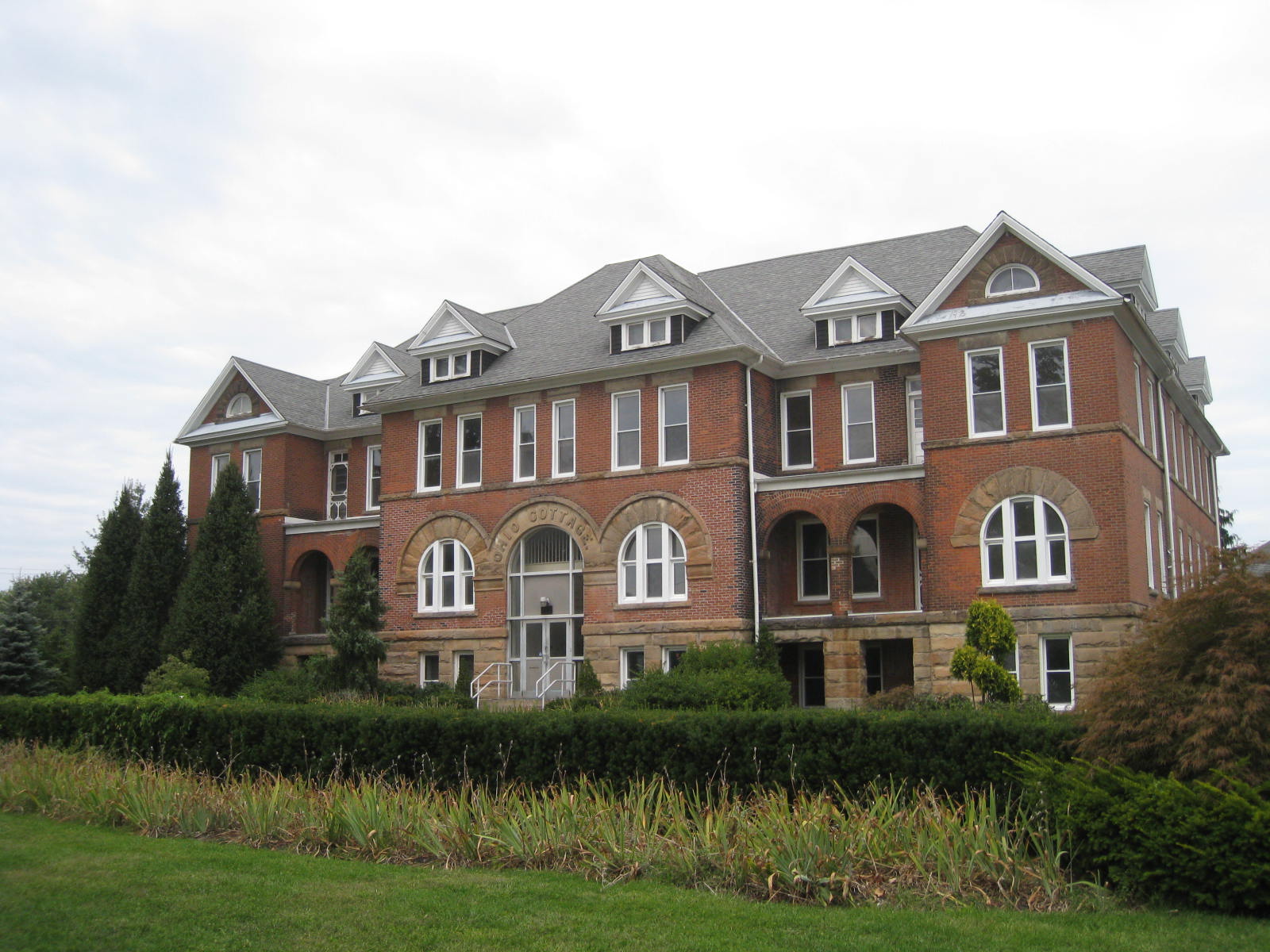
As demand increased, the campus expanded in 1859 with the addition of a larger brick building. This new structure allowed the seminary to house students on site and accommodate as many as one hundred fifty individuals at its peak. The original wooden building was then repurposed for boarding while the brick structure became the primary educational space. During this period the seminary became a well-known regional school.
By the late 1800s, the rise of public education systems began to reduce the need for private seminaries. Enrollment declined, and the school struggled to maintain its operations. In 1891 the property was purchased by the Ohio Women's Relief Corps, an organization connected to Civil War veterans. The campus was transformed into the Madison Home, a facility dedicated to caring for widows, orphans, and nurses affected by the war.
In the early twentieth century the property continued to evolve. Additional structures were built, and the facility expanded its mission as a charitable home. Eventually the state of Ohio assumed control of the property, and it became a residence for veterans and their families. The buildings served care and support services for decades before finally closing in 1962 when residents relocated to more modern facilities.
Following its closure, the property entered a period of varied use. It served at different times as a state-operated facility, a work-release site for inmates, and even office space for local government. By the late twentieth century the aging structures faced possible demolition, but preservation efforts and historic recognition allowed the complex to survive. Eventually it entered private ownership and became known for its historic value and growing reputation as one of Ohio's most intriguing locations.
FIND OUT MORE ON THE MAIN PANICd.com
 Return to the Darkness: Madison Seminary
- Article by a paranormal group that investigated this location.
History of the Ohio Cottage building
- MADISON TOWNSHIP — The timeline of the Ohio Cottage building history was compiled through newspaper articles, records from the Madison and Lake County historical societies, and research by former Madison Township employee Judy Schaeffer.
Do you remember Madison Seminary
- Select the collections to add or remove from your search 500 You have selected: 1
Madison Has A Real Haunted House... Do you Believe?
-  Some people believe  in haunted houses and cemeteries and some don't.
Historic sites: Rumors of haunting persist at Madison Seminary
- Accounts of visits and reviews of Madison Seminary seem to bear out the statement made on the historic buildingÂ’s Facebook page, that the place is believed to be occupied by spirits from beyond the grave.
‘Too pretty to shoot’
- The knock at the cabin door came late in the October evening 149 years ago. Elizabeth Stiles, cracked open the door, advanced her lantern into the darkness and surveyed the mass of Union soldiers in front of her. Â Although she did not recognize any of men, their uniforms put Elizabeth at ease.
Madison Seminary
- Location: Madison Seminary is sits quietly at 6769 Middle Ridge Road surrounded by trees and many well-kept flowers gardens and ornamental shrubs in Madison, Ohio at the intersection of Highways 84 and 528 in Lake County, five miles west from Geneva in Ashtabula County.
3-17 Madison Seminary
- Madison Seminary located in Madison Ohio is reopening for Ghost Hunts and you have the opportunity to investigate this newly reopened location…. Madison Seminary is composed of two treasured historical buildings. The Ohio Cottage was completed in 1891. It is 25,136 square feet and has 63 rooms.
Madison Seminary, Ohio
- The historic site of Madison Seminary is known for its hauntings and paranormal activity, but what is it about this building that has so many spirits haunting the hallways? Ghost Hunt USA wanted to find out for ourselves what it was this location made it one of the most haunted locations in the Mad
The Madison Home: From a Grand Army to Ghosts
- Today’s Friday the 13th post focuses on the Madison Seminary and Home. Although today it is known for its resident “ghosts†and haunted tours, for more than a century it was home to students and to the families of Ohio veterans.
Mary E. Truesdale (182 : 906) : Find A Grave...
- GREAT NEWS! We have a volunteer within ten miles of your requested photo location. GREAT NEWS! We have 2 volunteers within ten miles of your requested photo location.
Return to the Darkness: Madison Seminary
- Article by a paranormal group that investigated this location.
History of the Ohio Cottage building
- MADISON TOWNSHIP — The timeline of the Ohio Cottage building history was compiled through newspaper articles, records from the Madison and Lake County historical societies, and research by former Madison Township employee Judy Schaeffer.
Do you remember Madison Seminary
- Select the collections to add or remove from your search 500 You have selected: 1
Madison Has A Real Haunted House... Do you Believe?
-  Some people believe  in haunted houses and cemeteries and some don't.
Historic sites: Rumors of haunting persist at Madison Seminary
- Accounts of visits and reviews of Madison Seminary seem to bear out the statement made on the historic buildingÂ’s Facebook page, that the place is believed to be occupied by spirits from beyond the grave.
‘Too pretty to shoot’
- The knock at the cabin door came late in the October evening 149 years ago. Elizabeth Stiles, cracked open the door, advanced her lantern into the darkness and surveyed the mass of Union soldiers in front of her. Â Although she did not recognize any of men, their uniforms put Elizabeth at ease.
Madison Seminary
- Location: Madison Seminary is sits quietly at 6769 Middle Ridge Road surrounded by trees and many well-kept flowers gardens and ornamental shrubs in Madison, Ohio at the intersection of Highways 84 and 528 in Lake County, five miles west from Geneva in Ashtabula County.
3-17 Madison Seminary
- Madison Seminary located in Madison Ohio is reopening for Ghost Hunts and you have the opportunity to investigate this newly reopened location…. Madison Seminary is composed of two treasured historical buildings. The Ohio Cottage was completed in 1891. It is 25,136 square feet and has 63 rooms.
Madison Seminary, Ohio
- The historic site of Madison Seminary is known for its hauntings and paranormal activity, but what is it about this building that has so many spirits haunting the hallways? Ghost Hunt USA wanted to find out for ourselves what it was this location made it one of the most haunted locations in the Mad
The Madison Home: From a Grand Army to Ghosts
- Today’s Friday the 13th post focuses on the Madison Seminary and Home. Although today it is known for its resident “ghosts†and haunted tours, for more than a century it was home to students and to the families of Ohio veterans.
Mary E. Truesdale (182 : 906) : Find A Grave...
- GREAT NEWS! We have a volunteer within ten miles of your requested photo location. GREAT NEWS! We have 2 volunteers within ten miles of your requested photo location.



.PNG)